
Every spring, it happens the same way.
The weather finally turns. Clubs come out of the garage. The first tee time of the season is booked with friends—and suddenly, everything feels off. Swings feel rushed. Timing is gone. Confidence disappears faster than expected.
What follows is the spring scramble: emergency lessons, new equipment purchases, extra rounds – trying to “work things out.” And before golfers even find their rhythm, they’ve already spent far more than planned.
The truth? Golf doesn’t just get expensive because people practice too much.
It gets expensive because people wait too long…

Why Spring Is the Most Expensive Time to “Fix” Your Game
March and April are when many golfers try to do everything at once.
After months without swinging, the instinct is to correct the problem immediately. That often means:
-
Booking multiple lessons back-to-back
-
Buying new clubs or gear out of frustration
-
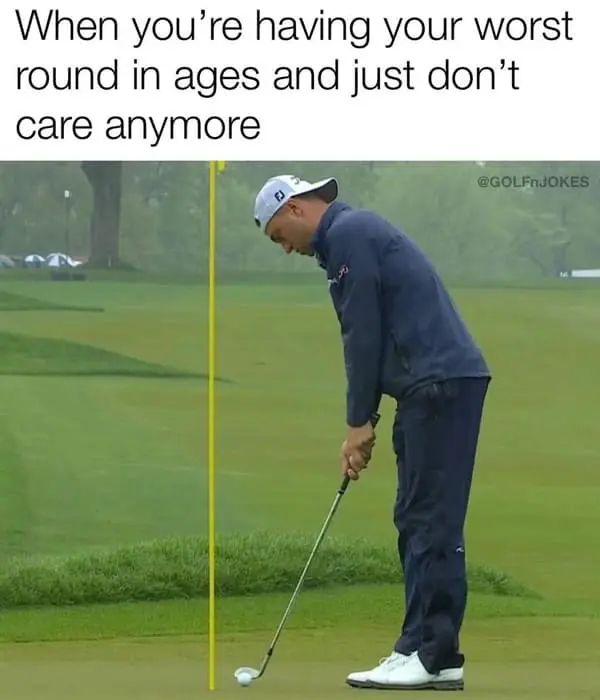
Paying for rounds that feel more stressful than fun
-
Chasing quick fixes instead of building consistency
None of these things are bad on their own—but when they all happen at once, costs add up quickly. And worse, your game still doesn’t feel quite right.

The Hidden Cost of Doing “Nothing” All Winter
Golf is a “feel” sport. Timing, tempo, and rhythm are built through repetition—not memory.
When the swing disappears for months at a time, golfers often notice:
- Tempo is the first thing to go
- Solid contact becomes inconsistent
- Confidence fades faster than expected
Even experienced players feel rusty after long breaks. It’s not about talent—it’s about staying connected to the game.
And once confidence dips, frustration (and spending) usually follows.

The Smarter Alternative: Spread It Out
The most cost-effective way to prepare for spring golf isn’t doing more—it’s doing things earlier.
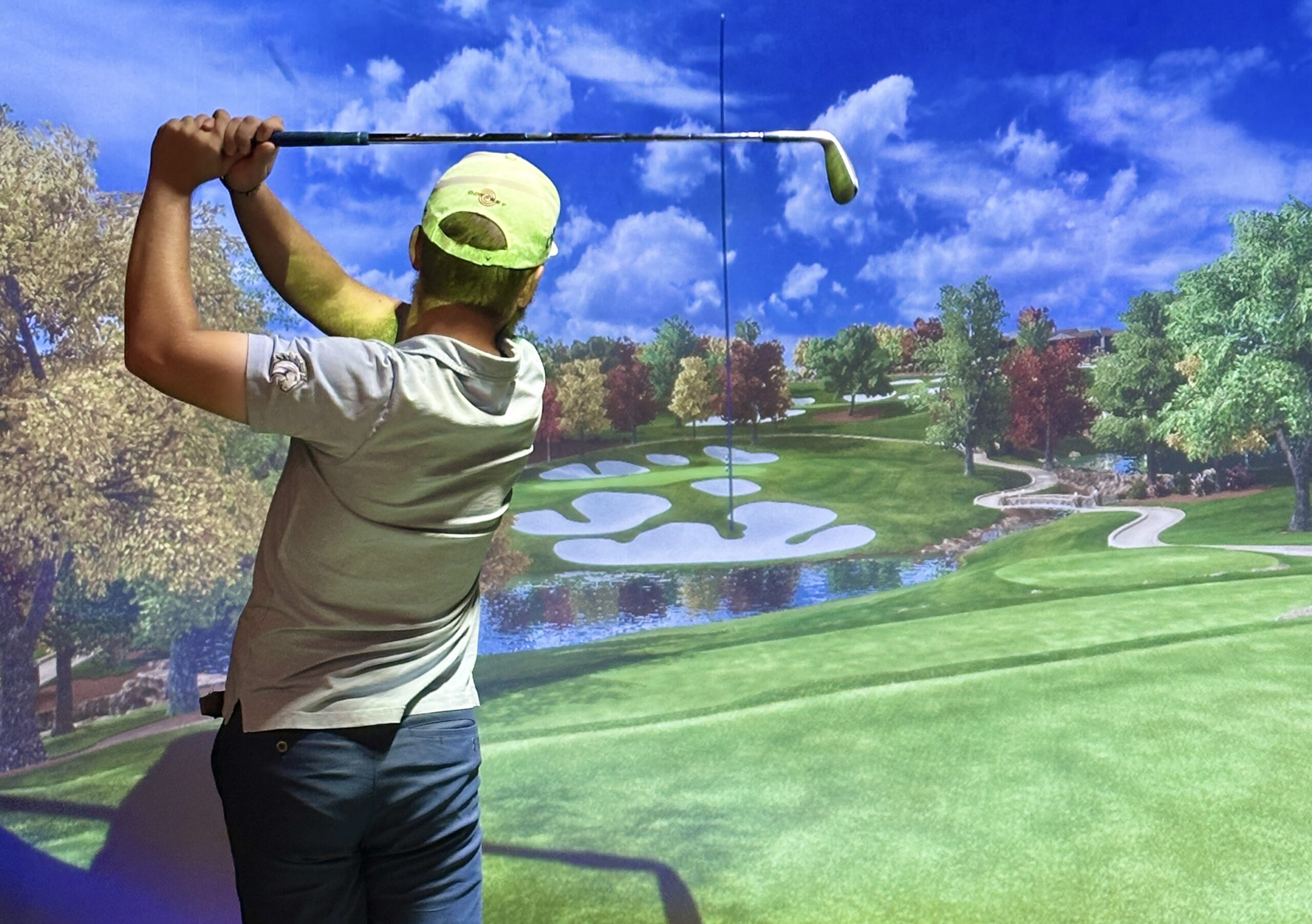
Winter is the perfect time for low-pressure, intentional reps. There are no scorecards to worry about and no expectations to meet. It’s simply about maintaining feel.
This is why winter simulator leagues and occasional indoor practice are so effective:
-
Reps are spaced out over time
-
Improvement feels gradual and natural
- You can identify gaps and needs in your set, with time to get things ordered/repaired.
Even light, consistent practice in January and February can prevent the need for major corrections in the spring.
Why Planning Ahead Makes Spring More Enjoyable (Not Just Cheaper)
When golfers stay connected to their swing through the winter, spring feels different.
Early rounds are more relaxed. Lessons become refinements instead of starting at square one. Equipment purchases are thoughtful instead of reactionary.
Most importantly, golf feels fun sooner.
Instead of spending the first month “getting back into it,” players can enjoy the season from the start.
Planning Ahead Doesn’t Mean Doing More!
This isn’t about grinding all winter or overcommitting your schedule.
Planning ahead can be as simple as:
-
Joining a few winter simulator leagues (the cheapest way to play 6 rounds of golf)
-
A couple of indoor practice sessions per month (punch cards make this even cheaper)
- Addressing a few of those problem areas in your game with a golf coach
-
If your clubs need some attention, book a club fitting or bring them in for regripping (before prices start going way up because of the high spring demand)
Consistency matters more than intensity. Even occasional swings can make a noticeable difference when spring arrives.
A Better Way to Start the Season
Whether you’re already part of a winter simulator league or just thinking about how to avoid the spring scramble, one thing is clear: spreading your preparation out over time saves money, frustration, and energy.
Golf doesn’t have to feel like a reset every March/April.
A little planning and consistency now goes a long way when things start heating up.
Recent Comments