
Learn how to hit better iron shots in windy conditions with simple tips from PGA Pro Trent, including why clubbing up and swinging smoothly can help control ball flight.
What You’ll Learn:
- How wind affects your iron shots
- Why swinging harder can make windy conditions worse
- How many clubs to take when hitting into the wind
- Why clubbing up and swinging smoothly can help control ball flight
- Common mistakes golfers make when playing in the wind
- Tips for practicing and preparing for windy golf conditions
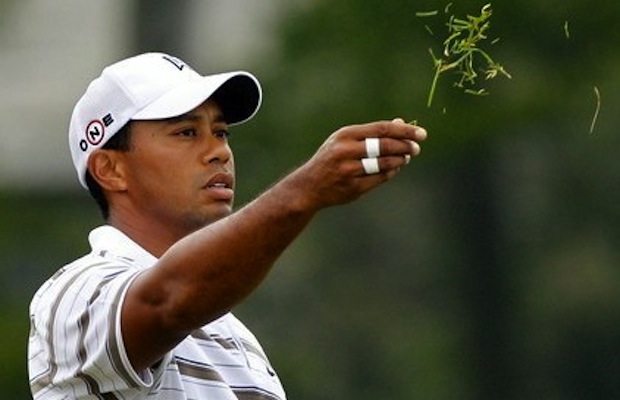
Ever stand over an iron shot with 20 mph of wind blowing directly at you and wonder what you’re supposed to do? Or maybe the wind is blowing 15 mph sideways and suddenly your normal 7-iron doesn’t feel quite so reliable.
When the wind picks up, one of the most common reactions is to swing harder. After all, if the wind is pushing against your golf ball, shouldn’t you just hit it harder? Not necessarily.
In fact, according to PGA Pro Trent, trying to force the ball through the wind is one of the biggest mistakes amateur golfers make.
Instead, the answer is often much simpler ⬇️
Why Does Swinging Harder Make Playing Into the Wind More Difficult?
When golfers see a strong headwind, their first instinct is often to grab their normal club and swing harder. The problem is that swinging harder can increase the amount of spin on the golf ball (more spin can make the ball more vulnerable to the wind.)
That means your attempt to overpower the wind can actually make the problem worse.
Instead of forcing a 7-iron through the wind, Trent recommends:
👉 Club up and swing smoothly.
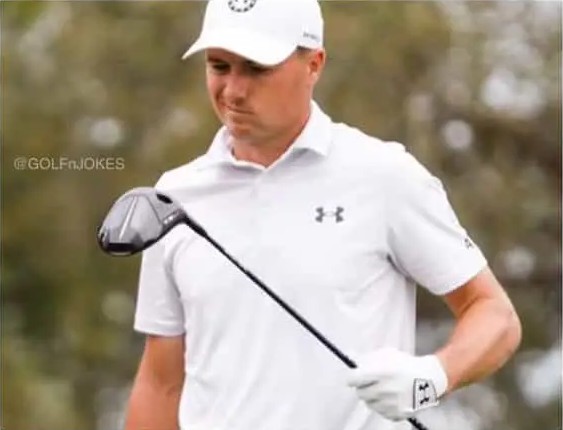
Example:
If you would normally hit a 7-iron, consider taking a 6-iron—or even a 5-iron in stronger wind—and making a controlled swing.
The extra club helps provide the distance without requiring you to swing harder.
How Many Clubs Should You Take in the Wind?
Short Answer: There is no perfect formula because wind conditions can change based on speed, direction, elevation, and other factors.
But as a general rule, when the wind is strongly working against you, Trent recommends clubbing up at least two clubs. That means if you would normally hit an 8-iron, you might consider a 6-iron. Then make an easier, smoother swing.
This is especially helpful when playing into a strong headwind. (The goal isn’t to overpower the wind… The goal is to create a more controlled golf shot with less unnecessary spin.)
SIMPLE
DRILL
Club Up and Swing Smoothly
Pick a target you would normally reach with a particular club.
For example, imagine you would normally hit a 7-iron.
Instead:
- Take a 6-iron or 5-iron.
- Make a smooth, controlled swing.
- Focus on solid contact instead of maximum effort.
- Pay attention to the ball flight.
The goal is to learn what happens when you create distance with more club rather than more speed.
You may be surprised by how controlled the shot feels.

What About A Crosswind?
Playing into the wind and playing with a strong crosswind require different decisions.
When the wind is blowing sideways ➡️, pay attention to both the direction and the strength of the wind.
A 15 mph crosswind can move your golf ball significantly, especially if you hit a shot with a lot of height or spin.
The key is to avoid panicking and trying to manipulate your swing at the last second. Instead:
- Choose your target based on the wind
- Commit to the shot
- Make your normal controlled swing
Side Note: Course management becomes especially important in windy conditions. Sometimes the smartest play isn’t aiming directly at the pin. It may be choosing a safer target and allowing the wind to move the ball toward your intended landing area.
Real Life Scenario:

We recently took a group of golfers to Scotland, where the wind seems to always be blowing.
This is one of those situations that can catch golfers off guard when they travel to play somewhere new. A course you’ve never played before might have different wind conditions, firmer turf, elevation changes, or other factors that require you to adjust your normal strategy.
Playing in those conditions was a great reminder that you can’t always expect your normal club distances to work. When the wind wasn’t helping, Trent’s advice was simple:
Club up at least two clubs and swing easier.
Taking a 5-iron when you would normally hit a 7-iron may make you feel like you’re going to hit the ball 30 yards over the green.
How to Practice Playing Golf in the Wind
HINT: You don’t have to wait for the windiest day of the year to practice this concept.
The next time you’re at the driving range, experiment with using different clubs and swing speeds to reach the same target.
Try hitting:
- Your normal 7-iron with a normal swing
- A 6-iron with a smoother swing
- A 5-iron with an even more controlled swing
Pay attention to the differences in:
- Ball flight
- Trajectory
- Distance
- Spin
- Overall control
If you’re practicing on a launch monitor or golf simulator, you may also be able to see how changes in club speed and strike affect your ball flight.
THE GOAL: To better understand how your golf swing and club selection affect the way your ball travels.

Want To Kickstart Your Improvement?
A golf professional can help you better understand your distances, shot tendencies, and areas where you may be able to improve control.
At Airway Hills Golf Center, our golf professionals, Trent and Eric, work with golfers of different experience levels on everything from basic swing fundamentals to course management and learning how to adapt to different playing conditions.
Your have 3 choices:
1) You can take what you learned here and work on it on your own, slowly getting better and better each time.
2) You can get a lesson resulting in a deeper understanding and customized practice plan based on your current swing/tendancies/specific questions.
3) You can do nothing and stay grumpy everytime the palouse wind comes to join you on the course.
The Bottom Line
The next time you’re standing over an iron shot with the wind blowing directly in your face, remember:
Don’t try to fight the wind by swinging harder.
Instead:
Club up.
Swing smooth.
Trust the shot.
The wind will always be part of golf.
You can’t control it.
But you can control how you respond to it.
And sometimes, the best way to hit a better shot isn’t by doing more.
It’s by doing a little less.
Have a Specific Golf Question for Trent?
This article is part of our Tips with Trent series at Airway Hills Golf Center.
Trent is a PGA Professional with more than 30 years of experience teaching golfers of all skill levels. Through Tips with Trent, he answers common golf questions using real lessons, real playing experiences, and questions from golfers like you.
Have something about your golf game you’re struggling with?
Send us your question. It could become the next Tips with Trent.
Frequently Asked Questions
Should I swing harder when hitting into the wind?
Usually, no. Swinging harder can increase spin and make the ball more affected by the wind. Instead, try taking more club and making a smoother swing.
How many clubs should I take in a strong headwind?
The exact number depends on the wind speed and your game, but Trent recommends considering at least two extra clubs when playing into a strong wind.
How does wind affect a golf ball?
Wind can change a golf ball’s direction, distance, and trajectory. Shots with more height or spin can be affected differently than lower, more controlled shots.
How should I play a crosswind in golf?
Pay attention to the wind’s direction and strength, choose a target that accounts for the expected movement of the ball, and make a controlled swing. Avoid making last-second swing adjustments.
Can a golf simulator help me understand my ball flight?
Yes. A golf simulator or launch monitor can help golfers better understand information such as ball speed, launch, spin, and shot shape. This can make it easier to see how changes in your swing affect your ball flight.
Can golf lessons help me improve my course management?
Yes. Golf lessons aren’t only about rebuilding your swing. A golf professional can also help you understand club selection, shot strategy, course management, and how to adapt to different playing conditions.
How should I prepare for a golf trip with difficult weather conditions?
Practice different types of shots, understand your typical distances, and be prepared to adjust based on wind, temperature, elevation, and course conditions. Playing golf in unfamiliar conditions is part of the experience, so flexibility and course management can make a big difference.
Recent Comments